
Eikev
To Harken
The weekly Torah portion is more than an ancient story. It is a timeless source of spiritual wisdom and practical guidance that can help us elevate our lives each week.
Cause & Effect
This week’s Torah portion continues with Moses’ farewell address to the Jewish nation. He counsels the people to “hearken” - to listen to all of the laws and ordinances set forth by G-d in the Torah. In return they will receive kindness, protection, and blessings of every type.
The word Eikev (hearken) also means “heel”. The commentators explain that this teaches us not only to observe the great commandments, but also the seemingly small ones - the mitzvot we might figuratively trample beneath our heel. By honoring even the smallest commandments, we demonstrate that what matters is not what we believe is important, but what G-d has asked of us.
The heel also represents the lowest part of the body, symbolizing Malchut - the physical world where our struggles, temptations, and ego reside. By living according to the Torah's teachings, we elevate ourselves above mere physicality and raise our consciousness toward a more spiritual way of living.
At its core, Eikev teaches a simple but profound principle: cause and effect. Our actions have consequences. Blessings do not happen by accident, nor do our challenges arise without purpose. The choices we make each day shape the lives we experience, reminding us that free will is one of G-d's greatest gifts.
Do Not Forget Your Blessings
The portion continues with Moses advising the Jewish nation not to forget the blessings that have been bestowed upon them. G-d says through Moses, “[b]e careful not to forget G-d, your G-d....you might then eat and be satisfied, build good houses and live in them, as your herds and your flocks will increase, your silver and gold accumulate, and everything that you have prospers.” People often pray and believe in G-d when things are not going great, when we are "wandering in the desert".
However, it is important to maintain our prayers when we are satisfied and successful and remember to not take the credit for our success, but rather to continue to believe that our blessings are a result of G-d or the creator’s beneficence. G-d states that if the people begin to follow other gods and worship them, then the people will be destroyed again and again. Other gods in today's society can be fame, money, a bad relationship or job - some form of idol worship.
If you have faith in G-d and believe that it is His good will and mercy behind everything that happens, then maintain this belief when you have found success in life in order to maintain those blessings.
Second Chances
Moses continues by asking the Israelites to "remember and never forget" the sin of the Golden Calf.
After receiving the first Tablets, Moses descended Mount Sinai only to find the people worshipping a golden idol. He shattered the Tablets and then pleaded with G-d to forgive the nation rather than destroy it.
This episode reminds us that no mistake places us beyond redemption. If the Jewish people could be forgiven after such a profound spiritual failure, then our own shortcomings can also become opportunities for growth, healing, and transformation.
The commentators teach that while the first Tablets reflected the righteousness of the Tzadik, the second Tablets represent something even greater—the Ba'al Teshuvah, the person who falls, returns, and is transformed through sincere repentance. Sometimes our greatest spiritual growth comes not from never failing, but from finding the strength to return.
The story also teaches us about leadership. Moses accepted responsibility for the people and was willing to risk everything - even his own standing - to advocate on their behalf.
Whether we lead a family, a business, a community, or simply ourselves, true leadership begins with responsibility. Great leaders do not look for someone else to blame; they protect those entrusted to their care.
Seeing God in Everything
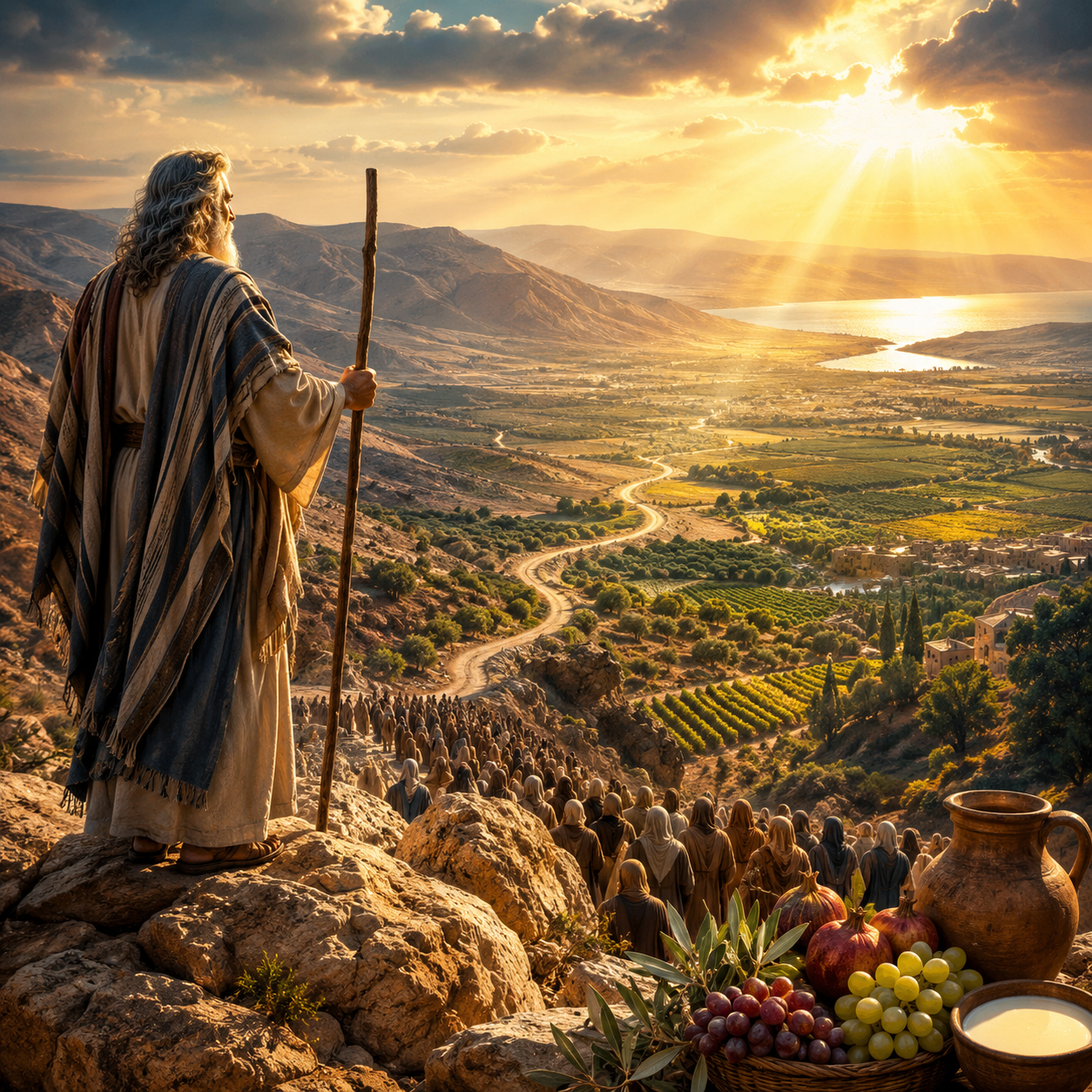
MosMoses concludes by urging the Israelites to continue following the commandments so they may inherit the Promised Land - a land flowing with milk and honey. He reminds them that what G-d asks of us is small compared to the mercy, kindness, and abundance He continually provides.
The lesson extends far beyond ancient Israel.
We should never exchange lasting blessings for temporary pleasures or pursue idols that ultimately leave us empty. Instead, we are called to live with kindness, humility, compassion, and gratitude.
Because we are all created in the image of G-d, each person carries a spark of the Divine. When we begin to recognize that spark - not only within ourselves, but within every person and every experience - we naturally become more patient, more forgiving, and more loving.
Eikev's deepest message is that every choice matters. Every act of kindness matters. Every moment of gratitude matters.
Small actions, repeated consistently, become the causes that shape the blessings we experience.
Practical Tools for the Week
1. Notice the Small Things
Choose one small act of kindness, gratitude, or discipline each day. The smallest actions often produce the greatest long-term change.
2. Count Your Blessings
Before going to sleep, write down or reflect on three blessings in your life. Gratitude keeps us connected to the Source of those blessings.
3. Take Responsibility
When something doesn't go as planned this week, resist the urge to blame someone or something else. Ask yourself, "What can I learn, and what can I do differently?" Growth begins with ownership.
Have a great week!
Resources & Credits
The Weekly Wisdom emails and the ideas presented herein are compiled from the following sources:
Gutnick Edition Chumash with Rashi's commentary, Targum Onkelos, and commentary anthologized from Classic Rabbinic Texts and the works of the Lubavitcher Rebbe
Apples from the Orchard - Gleanings from the Mystical Teachings of Rabbi Yitzchak Luria on the Weekly Torah Portion
Kabbalistic Bible - Kabbalah Centre International, Inc
The Zohar - Rabbi Shimon Bar Yochai, various translations
Mysteries of the Kabbalah - Marc-Alain Ouaknin
Wikipedia
Other online written and video content that discusses and shares Kabbalistic Wisdom